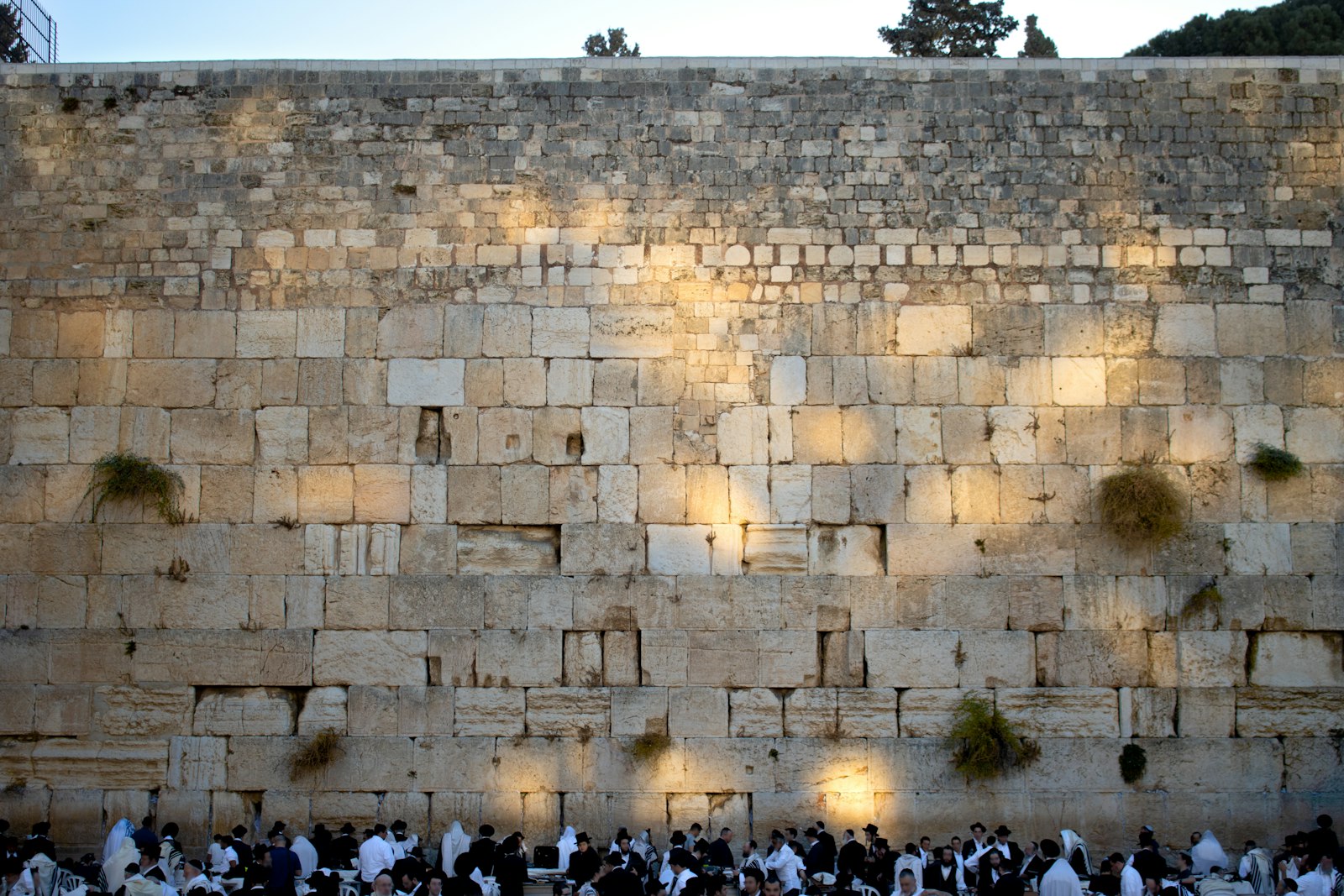
New York City
1.1 million Jews — the largest Jewish city outside Israel
Walk through Borough Park on a Friday afternoon. The sidewalks empty as Shabbat approaches. Storefronts pull down their gates. Families hurry home carrying challah. The streets belong to a world most Christians have never entered.
Drive twenty minutes to Rego Park in Queens. A Bukharan Jewish bakery sells lepyoshka bread and samsa pastries. The language at the counter is Bukhori — a Judeo-Persian dialect spoken by fewer than 100,000 people worldwide. Half of them live in this neighborhood.
Take the subway to the Upper West Side. Secular Jews fill the coffee shops, the galleries, the universities. They celebrate Hanukkah culturally, attend a Seder once a year, and haven’t set foot in a synagogue since their bar mitzvah. They identify as Jewish. They do not believe in God.
New York is not one Jewish community. It is a dozen — and almost none of them have heard the gospel from someone who understands their world.
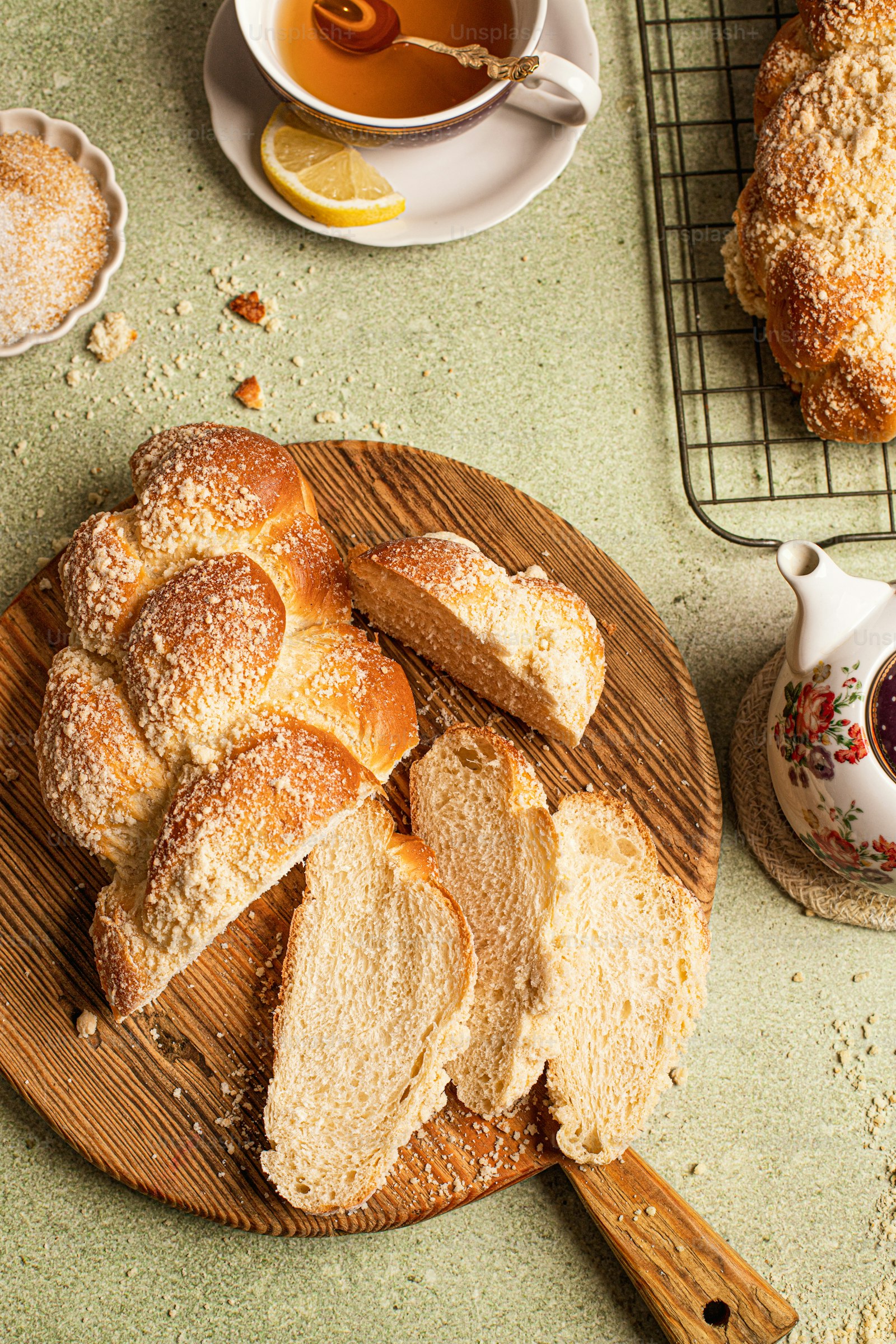 Challah — the bread of Shabbat
The Jewish Communities of New York
New York’s Jewish population is not monolithic. It is a mosaic of distinct communities, each with its own language, customs, and level of religious observance.
The Hasidic enclaves of Borough Park and Williamsburg are among the most insular communities in America. Satmar Hasidim speak Yiddish at home. Their children attend yeshivas. Their newspapers are printed in Yiddish. Contact with the outside world is deliberately minimal.
In Queens, the Bukharan Jewish community — immigrants from Uzbekistan and Tajikistan — runs bakeries, textile shops, and banquet halls. They speak Bukhori, celebrate Shabbat with plov (rice pilaf), and maintain traditions that date back to the Silk Road.
On the Upper East Side, secular American Jews may identify culturally but hold no religious beliefs at all. They are, by Joshua Project’s classification, an unreached people group.
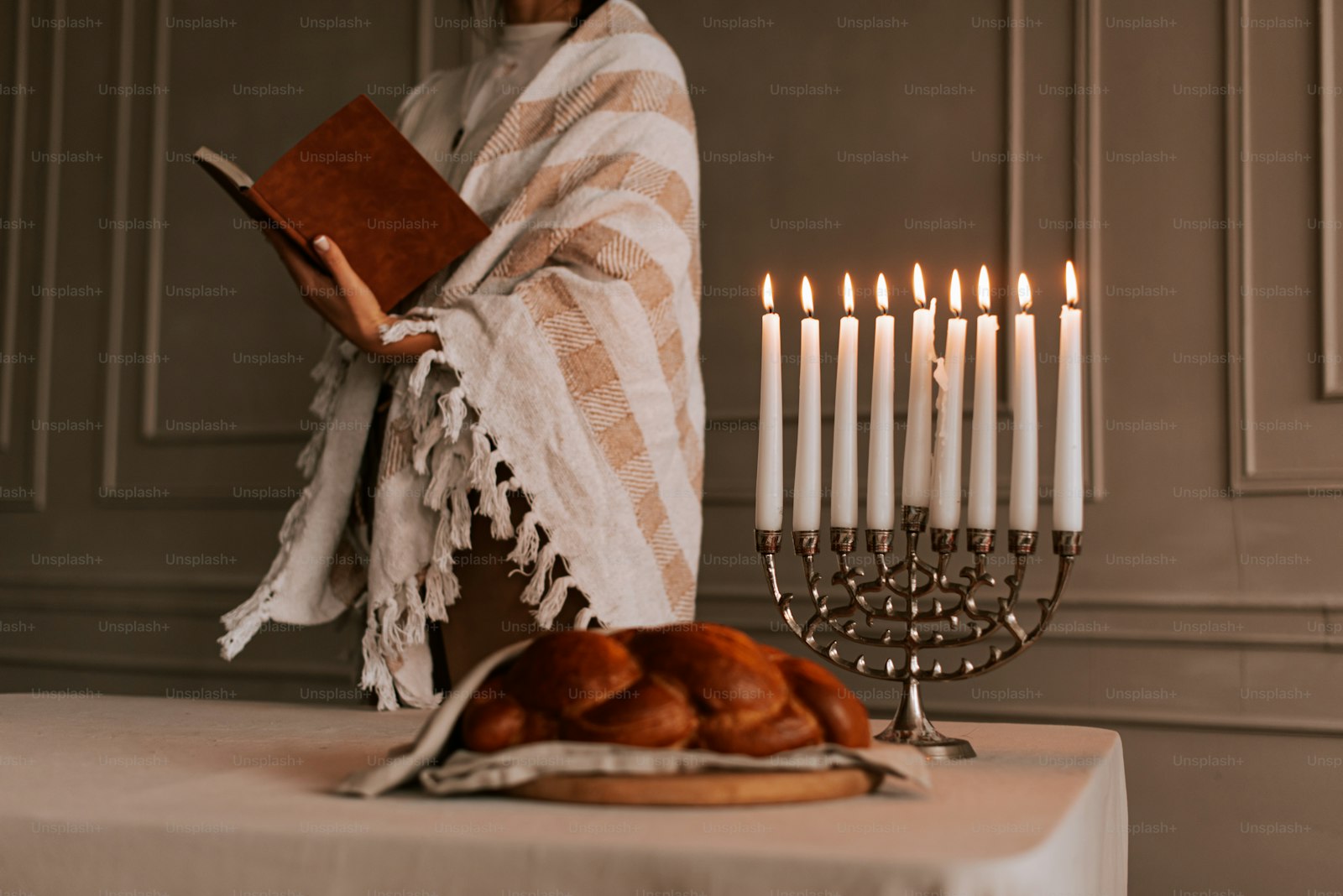 Shabbat — the weekly rhythm of Jewish life
The Largest Unreached Group in the U.S.
| Jewish Community | US Population | Primary Language | Evangelical |
|---|---|---|---|
| English-speaking | 4,694,000 | English | 0.0% |
| Russian-speaking | 682,000 | Russian | 0.0% |
| Eastern Yiddish | 367,000 | Yiddish | 0.0% |
| Israeli / Sabra | 139,000 | Hebrew | 0.0% |
| Syrian / Lebanese | 75,000 | Arabic / English | 0.0% |
| Bukharan | 60,000 | Bukhori | 0.0% |
| Persian | 45,000 | Judeo-Persian | 0.0% |
| Yemeni | 12,000 | Judeo-Yemeni Arabic | 0.0% |
| Mountain (Tat) | 8,000 | Judeo-Tat | 0.0% |
At 6.2 million people, Jewish Americans are the single largest unreached people group in the United States — larger than every Hindu, Muslim, and Buddhist group combined on the Joshua Project list.
They are not overseas. They are not behind borders or visa restrictions. They are your neighbors, your coworkers, your classmates. And 0.0% are evangelical.
 Synagogue, New York City
Why This Is Hard
And Why It Matters Anyway.
Jewish ministry is uniquely complicated. Two thousand years of Christian antisemitism — pogroms, forced conversions, the Holocaust — have built a wall between Jewish people and the church that no tract or program can dissolve.
For many Jewish people, “becoming Christian” means betraying their family, their people, and the memory of those who died for being Jewish. The gospel is not heard as good news. It is heard as a threat.
And yet: Paul wrote that the gospel is “to the Jew first” (Romans 1:16). Jesus wept over Jerusalem. The early church was entirely Jewish. The question is not whether to reach Jewish people. The question is whether we will do it with the patience and humility it requires.
“The mission field is no longer only over there. It is there, and here, and constantly moving.”— Andy Smith, reviewing “The Human Tidal Wave,” OMF International (2017)
“Any Evangelical local church, denomination, or Christian institution that is indifferent toward this theo-graphical historic moment in regards to diaspora missions is already failing regarding the Great Commission.”— Elias Medeiros, “Scattered and Gathered” (2020)
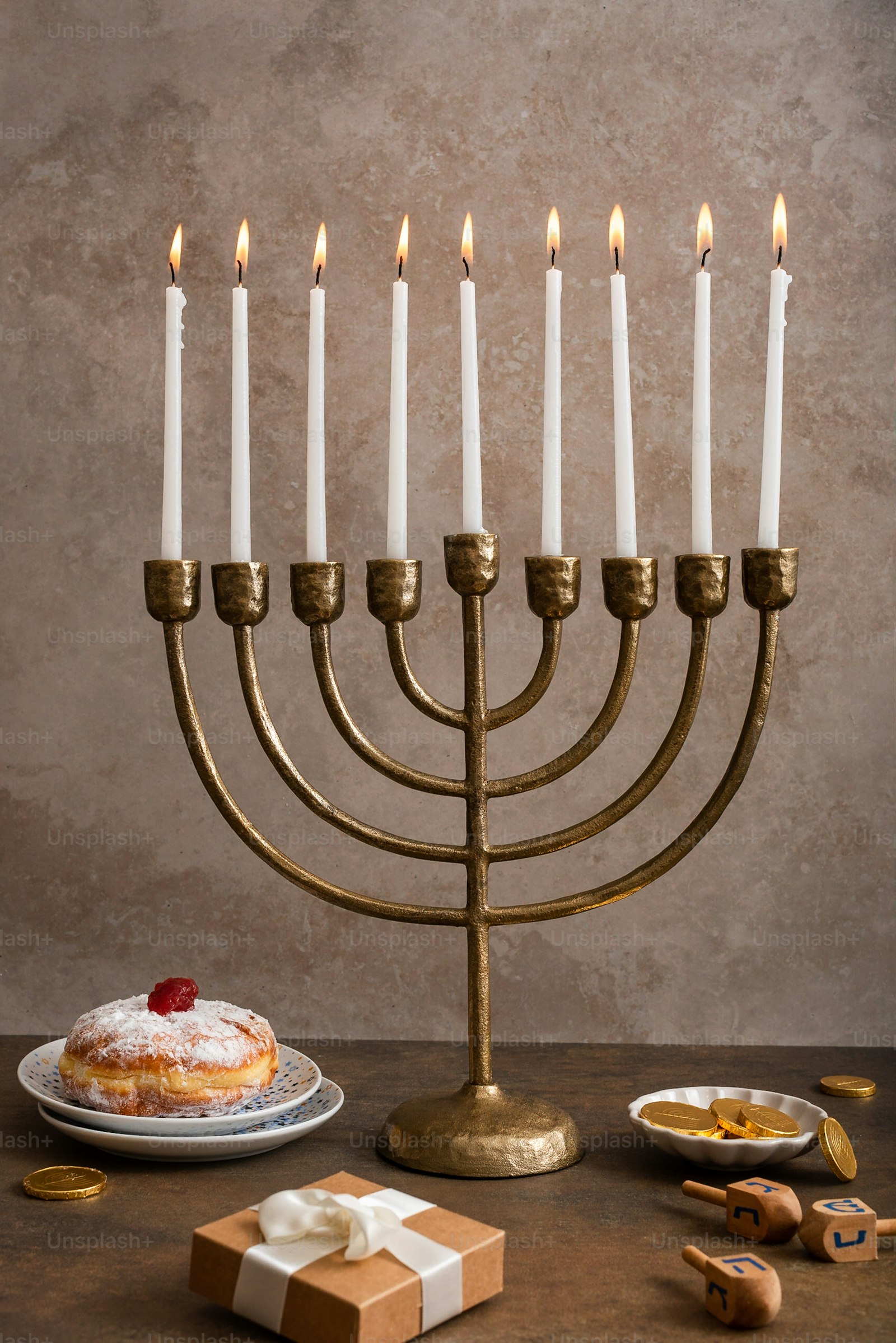 Hanukkah — the Festival of Lights
“I am not ashamed of the gospel, for it is the power of God for salvation to everyone who believes, to the Jew first and also to the Greek.”
— Romans 1:16
“Brothers, my heart’s desire and prayer to God for them is that they may be saved.”
Romans 10:1
What You Can Do in New York
- Learn the basics of Jewish culture, holidays, and history. Understanding comes before outreach. Start with Passover — the holiday that most clearly foreshadows Christ.
- Build a genuine friendship with a Jewish neighbor or coworker. No agenda. No tracts. Relationships are how this works. There is no shortcut.
- Connect with a Messianic Jewish congregation in New York. Learn from those who have navigated this intersection of identity and faith.
- Pray for the Jewish people of New York by community: the Hasidim of Borough Park, the Bukharans of Rego Park, the Israelis of the Upper West Side, the secular Jews of Manhattan. Each requires a different approach.
6.2 million people. Your borough. Zero percent evangelical.